What Age Can Children Start Drums — and How Do You Know If They're Ready?
29 June 2026
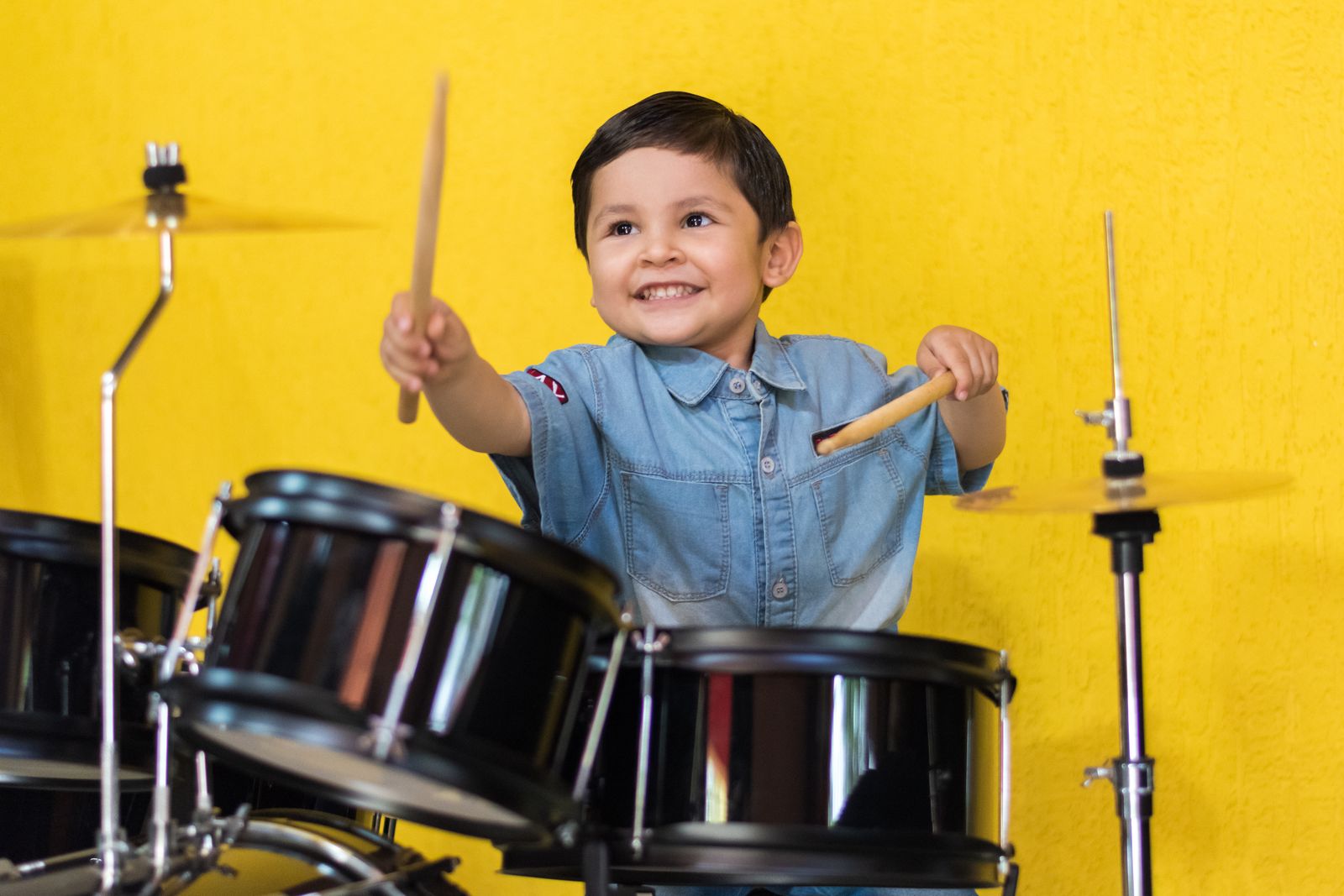
Parents ask me some version of this question almost every week. "My son is five — is that too young?" "My daughter is seven but she can't sit still for two minutes." "We've been waiting until she's older, but how old is old enough?"
Age is part of the answer. But readiness is more specific than a number on a birthday cake.
The Minimum Age: Around Five
Five is the lower threshold where drum lessons make genuine sense. Below that, the physical proportions become awkward — a four-year-old on a drum throne is struggling to reach things in a way that teaches bad habits before good ones. The concentration span also needs to hold for at least 20 minutes of structured activity.
That said, five is a floor, not a target. A particularly focused five-year-old can absolutely start. A distracted seven-year-old might need another six months. The number matters less than what I describe below.
Signs Your Child Is Ready — Regardless of Age
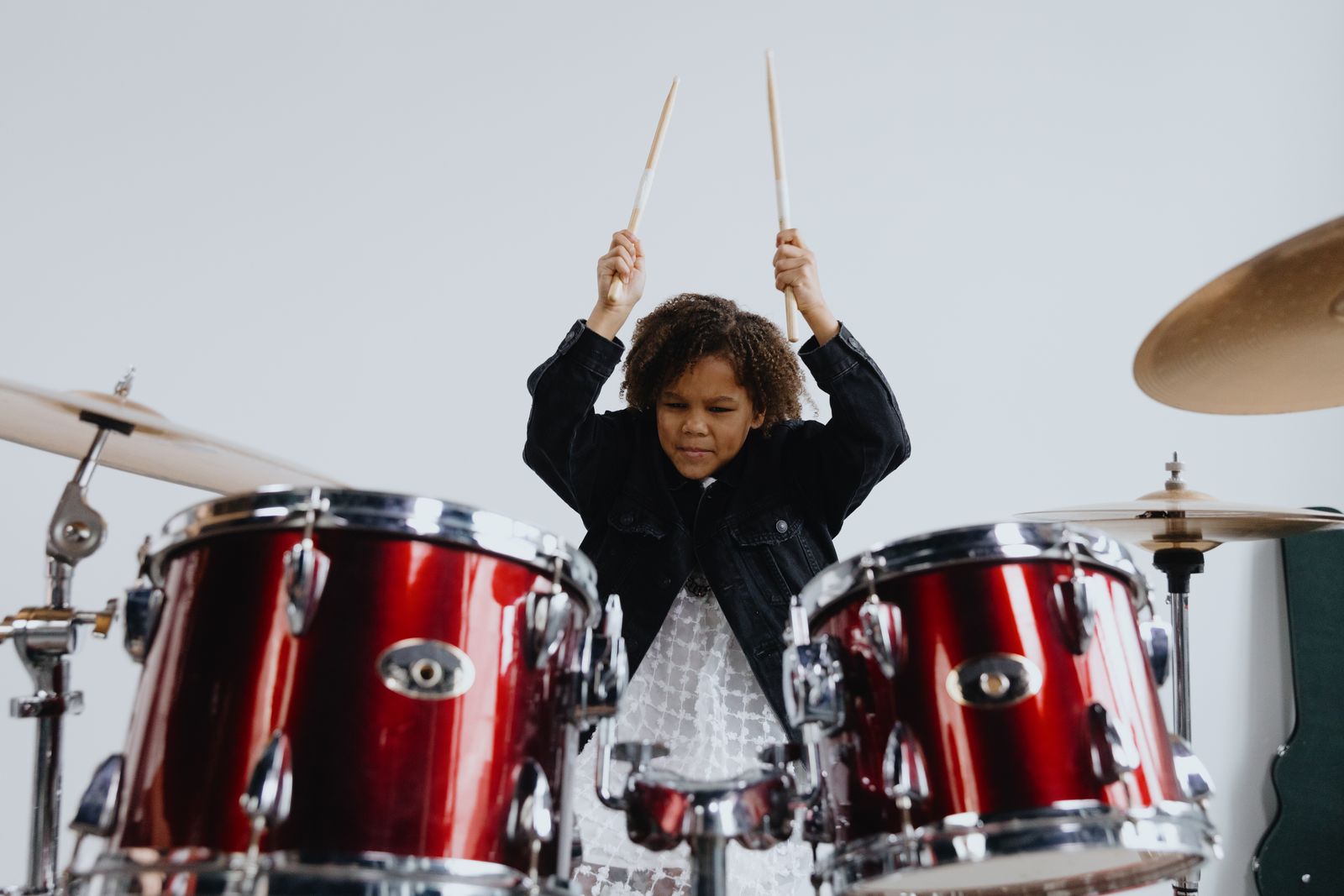
These are the things I actually look for when a parent asks me to assess a child in a trial lesson:
They can follow a two-step instruction without losing track. "Hit the drum, then stop and listen." If a child needs three repetitions of a two-part instruction, the lesson structure becomes very difficult to maintain.
They have a genuine interest in the instrument specifically. Not just in music generally, not just because a friend does it — an actual pull toward drums. You'll know. Children who are genuinely drawn to something ask about it repeatedly, notice it when they see it, and light up when it's mentioned.
They can sustain attention for 20–25 minutes on something they chose. Not a screen — an activity. Drawing, building, a game. If that capacity exists, it transfers.
They respond to rhythm naturally. This doesn't mean they're "musical" in some innate way. It means when music comes on, they tap along. They bounce. They notice the beat. This is an early sign of rhythmic awareness, which is the foundation we build on.
Signs They're Not Ready Yet
They lose interest in chosen activities within five minutes. This isn't a character flaw — it's a developmental stage. The lesson structure simply won't hold, and forcing it creates a negative association with the instrument.
The idea came entirely from a parent. Children whose interest is parental projection rather than their own sometimes push through and develop genuine love for it. But just as often, they don't. A child who says "I want to try drums" is in a different position than one who says "my mum said I should."
They become easily frustrated when they can't do something immediately. Early drumming involves a lot of "I can't do this yet." A child who shuts down at the first failure will have a harder first few months. This can improve with the right approach — but it's worth knowing before you start.
What Children's Drum Lessons in Sofia Actually Look Like
I teach children from age five at Band House in Sofia. Every lesson is individual — one student, one teacher, no group format.
For the youngest students (five and six), the lesson is almost entirely play-based. We move, we imitate, we listen, we respond. Structure exists but stays invisible. The goal is to make sound feel like a reward in itself.
From seven onwards, the structure becomes more explicit. We name what we're doing, we set small goals, we listen back. Children at this age can hold a proper lesson shape — and they often surprise parents with how quickly they progress when the conditions are right.
At ten and above, I teach essentially the same way I teach adult beginners. The cognitive capacity is there; we just choose repertoire that speaks to them.
The Trial Lesson Answers the Question Better Than I Can
I can describe readiness signals all day. But the honest answer is that I can tell within fifteen minutes of a trial lesson whether a child is ready to start — and I'll tell you directly, even if the answer is "give it six more months."
The trial lesson for children is 45 minutes. It costs €10. Your child plays, I observe, and at the end we talk about what I saw. No pressure in either direction.
If you're in Sofia and wondering whether your child is ready — that conversation starts here.