Drum Sticks: Everything You Need to Know Before You Buy
29 June 2026
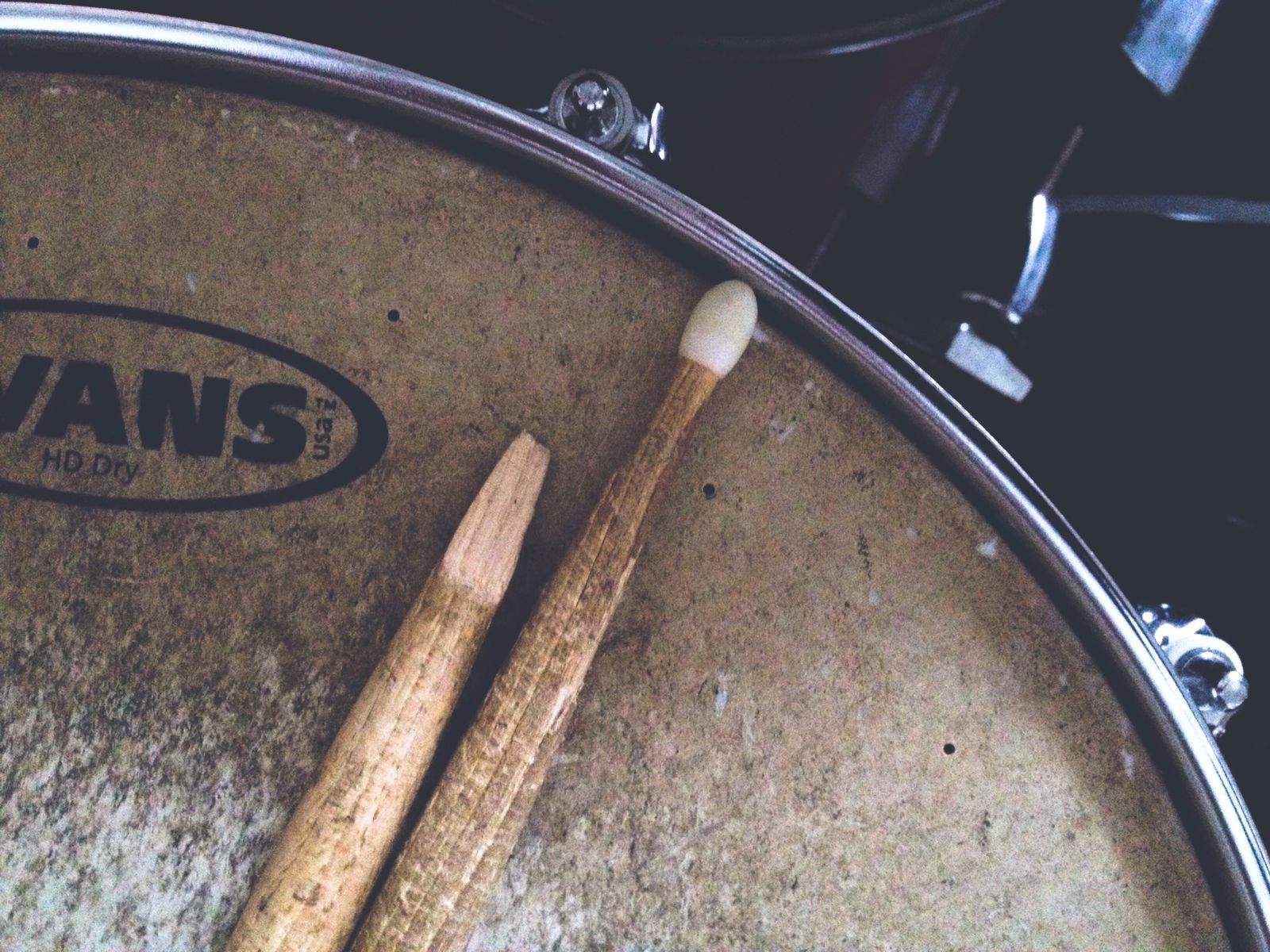
You walk into a music shop for the first time and ask for drum sticks. In front of you is an entire wall — 5A, 5B, 7A, 2B, maple, hickory, oak, nylon tip, wood tip. Prices range from €5 to €30 a pair. Nothing explains the difference.
Most shop assistants will point you to "5A — standard for beginners" and end the conversation. That's the right advice, but it's incomplete. Here's what you actually need to know.
What the Numbers and Letters Mean
The labelling system comes from an old American standard. The number indicates thickness — the lower the number, the thicker the stick. The letter historically corresponded to the intended use: A for orchestral (thinner, lighter), B for band (thicker, more durable), S for street marching (very thick, heavy).
In practice today:
- 7A — thin and light. Good for jazz, delicate cymbal work, or smaller hands.
- 5A — medium thickness, all-purpose. Suitable for rock, pop, funk. The standard starting point.
- 5B — slightly thicker and heavier than 5A. For louder playing, a more powerful sound.
- 2B — thick and heavy. Rock and metal when you want force.
As a beginner, you'll almost certainly start with 5A. This isn't arbitrary — they work across the full range of styles without demanding excessive force, and they're not so thin that they snap quickly.
Materials: Maple, Hickory, Oak
Hickory is the most common material. It absorbs vibration well (less impact on your joints during longer sessions), flexible, durable. I recommend hickory to almost all of my students.
Maple is lighter than hickory. Faster response, less mass. Jazz players and cymbal specialists prefer maple for its sensitivity. Less durable under heavy playing.
Oak is the densest and hardest material. Heavier sound, more "weight" on impact. Suitable for metal and heavy rock. Less flexible — you'll feel it in your wrists after a long session.
For beginners: hickory, 5A. You don't need to know anything else at this stage.
Nylon Tip vs Wood Tip
The tip of the stick determines the sound on cymbals. Wood tips produce a warmer, more muted sound. Nylon tips produce a brighter, more defined cymbal sound — more articulate, more "ping."
On drum heads, the difference is minimal.
The one drawback of nylon tips: the nylon cap can eventually separate from the wood. With wood tips, this isn't an issue.
My recommendation: wood tip for beginners. More versatile, fewer failure modes.
Price and Brands
Good beginner-range drum sticks: Vic Firth 5A, Vater 5A, Pro-Mark 5A. Expect to pay around €8–15 a pair. All three are reliable and widely available.
You don't need to spend €25–30 on "special" sticks. At beginner level, the difference is negligible — and you will break at least a few pairs before you settle on a favourite.
Buy 2–3 pairs at the same time. Sticks break. Better to have a backup than to stop mid-session because your only pair is sitting in a bag.
When to Replace Your Sticks
Replace your sticks when:
- One end is noticeably thinner than the other (uneven wear)
- There's a visible crack or split along the length
- The tip has chipped or flattened
- The nylon tip has come off (if you're using nylon)
Wear is normal and depends on how often and how hard you play. A beginner practising 30 minutes a day will typically replace sticks every one to three months. If you're breaking sticks within a week — your technique probably needs a look. Incorrect grip is the primary cause of unusually fast breakage.
If you're coming to a lesson, bring your own sticks. Playing consistently with the same pair develops a more reliable feel over time.