Acoustic vs Electronic Drums: The Honest Answer for Beginners
29 June 2026
This is the most common question new students ask before their first lesson. It usually arrives with a second one right behind it: "Do I even need to own drums before I start?"
I'll answer both. But the honest answer isn't "it depends" — because "it depends" is useless without context. Here is a concrete recommendation for concrete situations.
What Acoustic Drums Are — And Why Everything Else Imitates Them
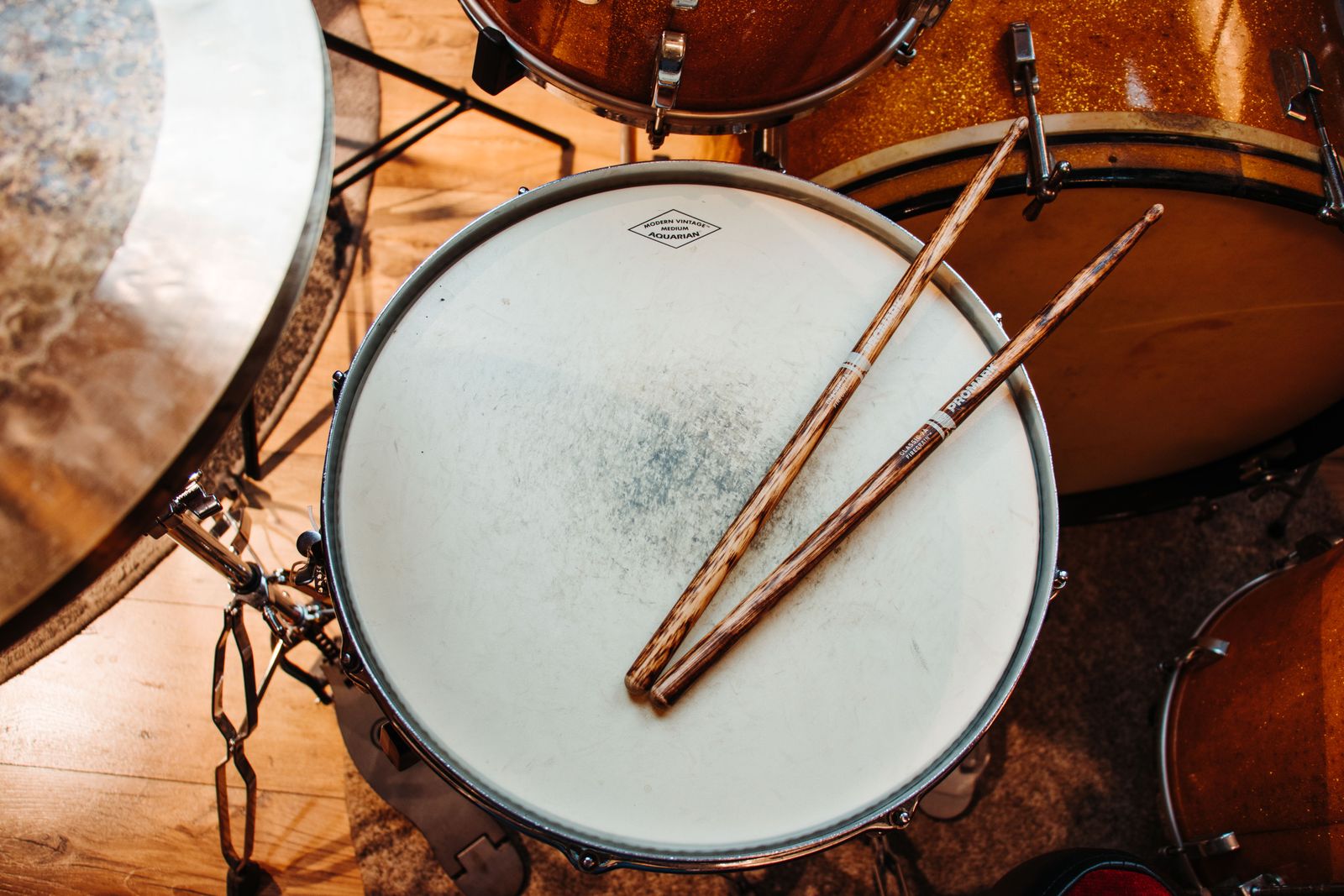
Acoustic drums are the original. When you watch a drummer on stage, they're playing an acoustic kit. The sound comes from a membrane struck by a stick, amplified by the resonance of the drum shell. Nothing is digital. Nothing is simulated.
Why does that matter for learning? Because the technique you build on acoustic drums is directly tied to physical feedback. Hit harder — the sound is louder. Hit at an angle — the tone changes. The drum responds to exactly how you play, and that response is what builds real muscle memory over time.
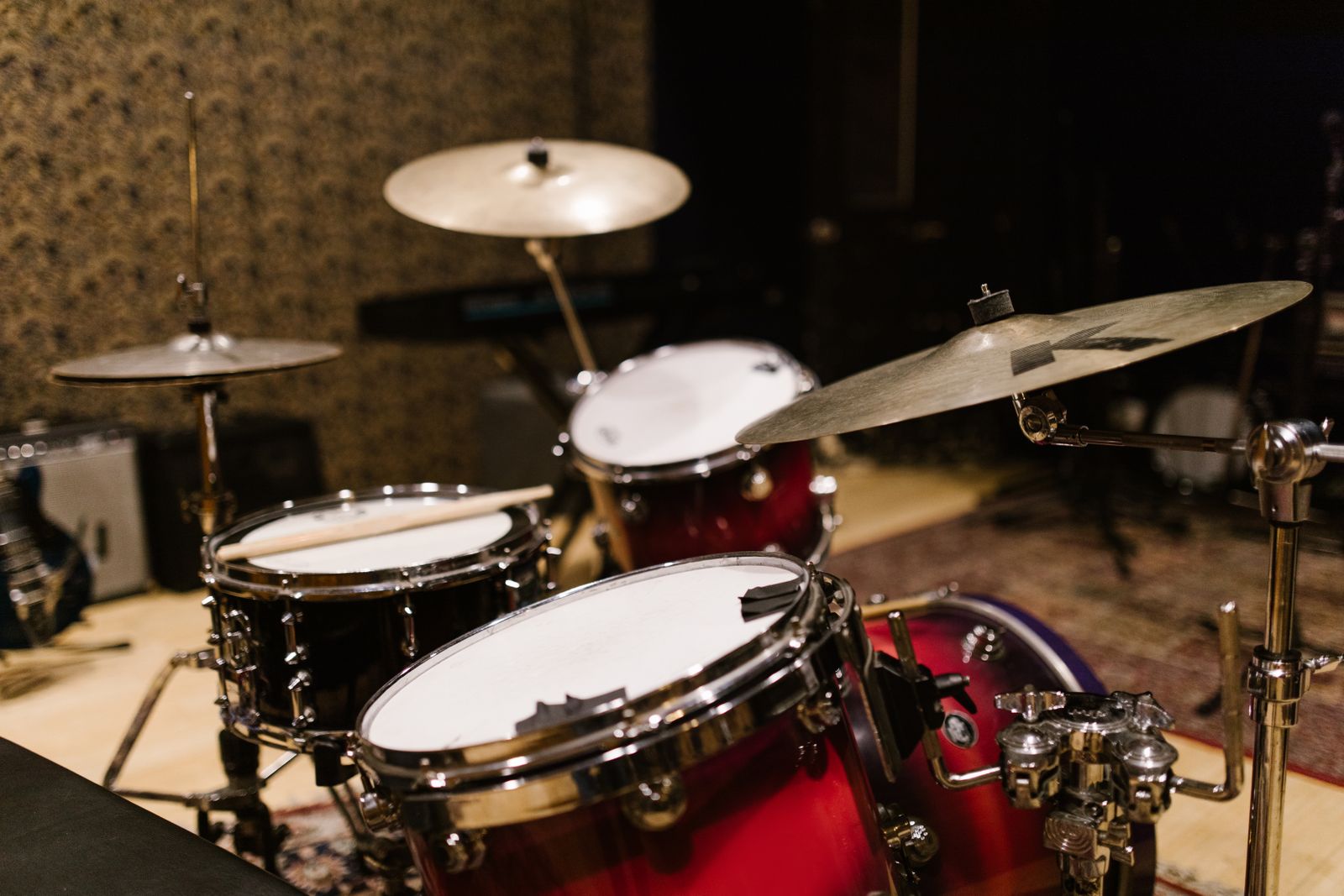
The problem is well known: volume. An acoustic kit in an apartment building is a problem for neighbours, for family, and for you. A decent starter kit takes roughly two square metres and costs between €300 and €800 for something worth playing seriously.
Electronic Drums — The Compromise That Isn't Always a Compromise
Electronic drums use rubber or mesh pads connected to a sound module. With headphones on, the only noise in the room is the stick striking the pad — significantly quieter than any acoustic kit.
The advantages are obvious: you can practise in a flat at 11pm without disturbing anyone. You can record directly into a computer. Most modules include a built-in metronome, practice exercises, and backing tracks.
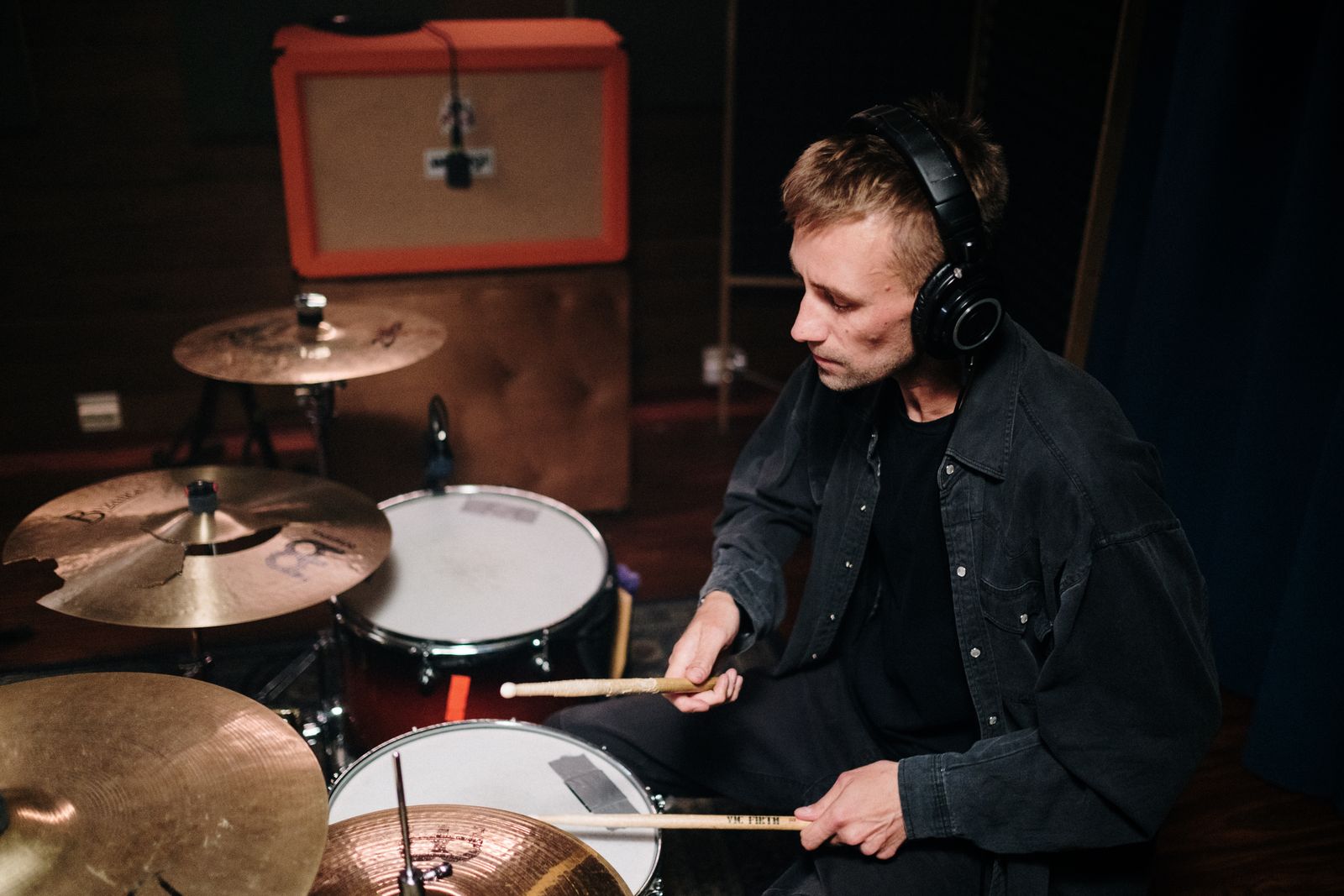
The drawback that rarely gets mentioned: the feel is different. Rubber rebound is not the same as a drum head. The bass drum pedal responds differently. When you eventually move to an acoustic kit — at a rehearsal, on stage — you'll notice the gap. It's not insurmountable, but it's real.
The second issue: electronic drums that actually feel good are not cheap. A beginner kit at €200 will disappoint you. Something genuinely playable starts around €600–900.
What Teaching Experience Actually Shows
I've been teaching since 2022 and I have students using both setups. Here's what I've observed:
Students on acoustic drums develop dynamics faster. The distinction between soft and loud strikes, the feel of velocity control — all of it comes more naturally when the drum responds directly to your input. When these students come to the studio, their technique is cleaner from the start.
Students on electronic drums tend to practise more consistently. If the kit is quiet and at home, you play every day — and daily practice frequency is arguably the single biggest factor in how quickly you progress. If acoustic drums mean you practise for twenty minutes on Saturday because you're anxious about the neighbours, electronic is the better choice.
A student of mine — a 34-year-old in a shared flat — bought a cheap acoustic kit, moved it to a space he rarely accessed, and eventually stopped coming to lessons because he never got to practise between sessions. He switched to an electronic kit at home. Progress became visible within two months.
The Real Question: What Is Your Situation?
Do you have a separate room or basement, tolerant neighbours, and a household that will accept the noise? — Buy acoustic drums. You will learn better and faster.
Do you live in a flat or shared housing and want to practise at any hour without disturbing anyone? — Invest in an electronic kit with mesh pads, not rubber ones. The Roland TD-1 or Alesis Nitro are reasonable starting points. Don't buy the cheapest option — you'll regret it within three months.
For children under ten: a small acoustic kit is better than cheap electronic pads. The feel and sound keep kids engaged. But only if you have the space and cooperative neighbours to make it work.
Do You Need Drums Before Your First Lesson?
No. At least not before a trial lesson.
Come to the studio first. See whether drums are for you before you invest anything significant. Many people arrive with the idea, take one lesson, and decide from there — some discover it's not for them, but most fall in love with the instrument from the first hit.
If you decide to continue, a practice pad (around €25) and a pair of sticks is genuinely enough for the first two to three months. You can develop stick control and basic coordination without owning a full kit at all.
By the time you're ready to buy, you'll know exactly what to buy. And you won't waste money on the wrong thing.